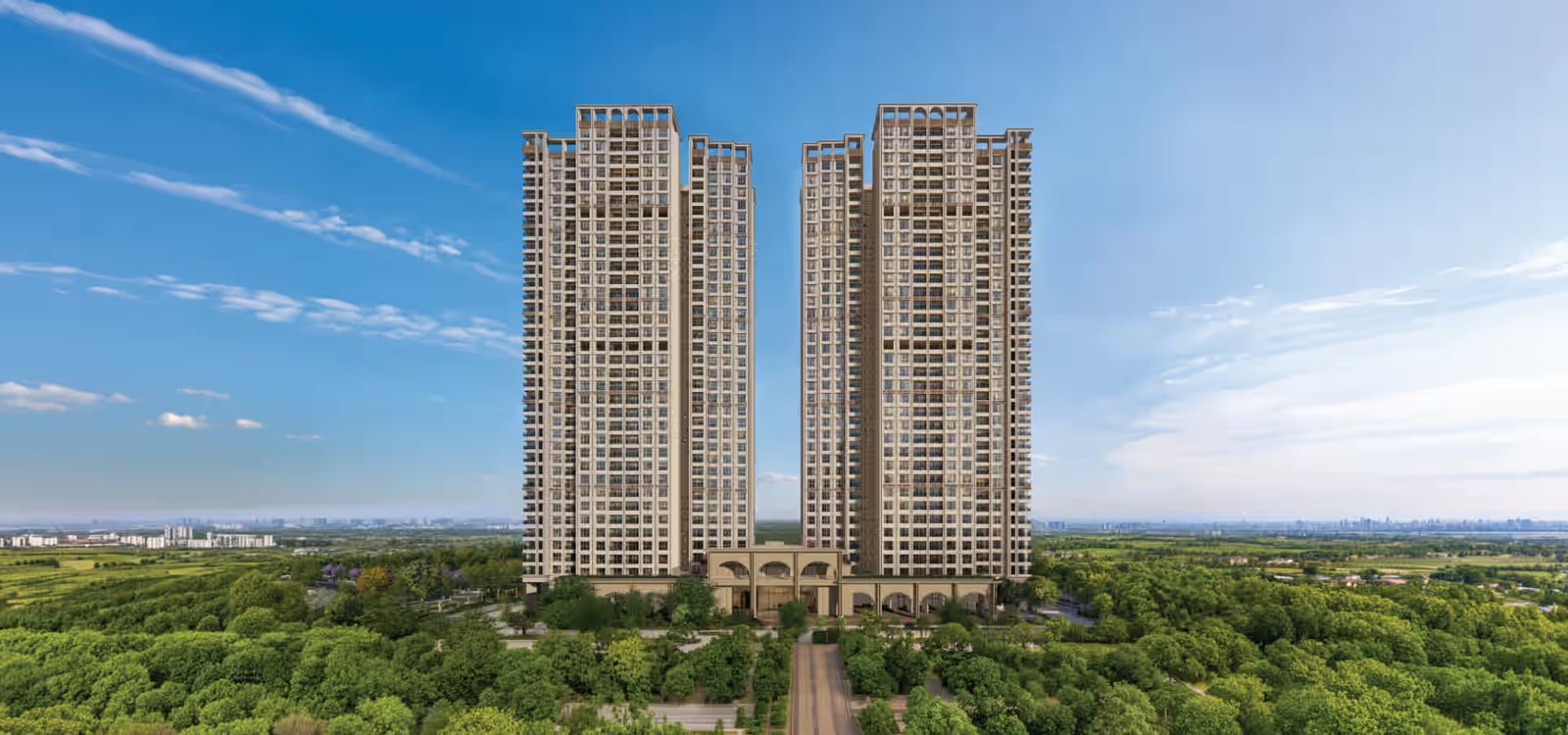
GST applies to under-construction properties like Godrej Sarjapur because the sale is treated as a supply of construction service rather than a completed asset. The exact rate and applicability depend on current government notifications, so always confirm the applicable rate with the sales team and your cost sheet rather than assuming a fixed percentage.
Why GST Applies to Under-Construction Property at All
A fully completed property with an occupancy certificate is generally treated as immovable property and doesn't attract GST on resale. An under-construction unit, however, is treated differently under tax law — you're effectively paying for an ongoing construction service, which is why GST applies during the construction phase but not after possession with a completed occupancy certificate.
Why This Confuses So Many First-Time Buyers
The confusion usually comes from comparing notes with someone who bought a ready-to-move property. If a friend or relative didn't pay GST on their purchase, it's often because their unit was already complete at the time of sale — not because GST doesn't apply to this category of property at all.
How GST Is Typically Reflected in Your Cost Sheet
GST is generally charged on the base sale price of the unit, not on stamp duty, registration, or statutory charges, which are separate levies altogether. Review your cost sheet closely to see exactly which cost components GST is applied to, rather than assuming it applies uniformly to your entire total outflow.
Does the Configuration You Choose Affect the GST Rate?
Some category distinctions in Indian tax policy differentiate between affordable housing and non-affordable housing segments, with different applicable rates. Whether Godrej Sarjapur's 2 BHK, 3 BHK Premium, or 3 BHK Luxe configurations fall into a particular category depends on current price thresholds and government criteria — this is worth confirming directly rather than assuming based on configuration name alone.
GST and Your Payment Plan
If you're on a construction-linked payment plan such as the 20:20:60 structure, GST is typically charged proportionally with each instalment rather than as one lump sum — confirm this billing pattern with the sales team so your cash-flow planning accounts for it correctly at each stage.
What Happens to GST After Possession
Once the project receives its occupancy certificate and possession is handed over, further resale of a completed unit generally falls outside the scope of GST, since it's no longer treated as an under-construction service. This is one reason resale prices and new-launch prices aren't always directly comparable on a tax basis.
Getting the Exact, Current Rate
GST rates and applicability criteria for real estate have been revised by the government over time, so the specific number that applied a few years ago may not be the one that applies today. Always request the current applicable GST rate in writing from the sales team, and cross-check it against your total cost sheet before signing any agreement.
Tip: Always request the current GST rate in writing and verify it against your cost sheet. Rates can change, and verbal assurances are not a substitute for documented terms.
Frequently Asked Questions
Yes, generally — under-construction properties are treated as a construction service for tax purposes, unlike completed properties with an occupancy certificate.
They likely bought a completed, ready-to-move property, which is generally treated differently from an under-construction unit for tax purposes.
It's typically applied to the base sale price, not to stamp duty, registration, or other statutory charges — confirm this in your cost sheet.
This can depend on pricing thresholds and category classifications — confirm the applicable rate for your specific configuration with the sales team.
Under a construction-linked payment plan, GST is typically applied proportionally with each instalment as it falls due.
Generally not on the original purchase, since a completed property with an occupancy certificate falls outside the scope of GST applicable to under-construction sales.
Request it in writing from the sales team, and verify it's reflected accurately in your cost sheet.
Yes, rates and applicability criteria have been revised over time — always check the currently applicable rate rather than an older figure.
This varies — always clarify whether a quoted price is inclusive or exclusive of GST before comparing it to another project.